Landscape Design Services in Fountain Valley, CA: What Homeowners Should Expect
If you’re considering professional landscape design services in Fountain Valley, CA, the most important thing to understand upfront is this: great landscape design is not just about appearance—it’s about long-term plant health, functionality, and value. Homeowners who invest in professional design gain more than curb appeal; they gain outdoor spaces that thrive in Southern California’s climate and evolve beautifully over time.
In this guide, you’ll learn exactly what to expect when working with a professional landscape design company in Fountain Valley—from the initial consultation through construction, plant selection, irrigation planning, and long-term success. Whether you’re redesigning an outdated yard or building a landscape from scratch, knowing the process helps you make confident, informed decisions.
What Are Professional Landscape Design Services?
Landscape design services involve the strategic planning and layout of outdoor spaces using plants, hardscape elements, grading, and irrigation to create a cohesive, functional, and sustainable environment.
Unlike basic landscaping or maintenance, professional design considers:
- Soil conditions and drainage
- Sun exposure and microclimates
- Plant maturity and growth habits
- Water efficiency and irrigation design
- Long-term maintenance needs
- Safety, access, and usability
In Fountain Valley and the surrounding Orange County region, professional landscape design must also account for water restrictions, coastal climate patterns, and local regulations.
Why Local Experience in Fountain Valley Matters
Working with a landscape designer who understands Fountain Valley is critical. This area has unique environmental factors that directly affect design decisions, including:
- Coastal-influenced temperatures
- Sandy or compacted soils
- High sun exposure
- Drought-conscious water policies
- Tree preservation considerations
A local design professional knows which plant species perform well long-term, how to prevent drainage issues, and how to create landscapes that remain attractive year-round without excessive water or maintenance.
The Landscape Design Process: Step by Step
1. Initial Consultation and Site Evaluation
The process begins with a detailed on-site evaluation. During this stage, a professional designer assesses:
- Property layout and size
- Existing plants and trees
- Irrigation system condition
- Soil type and grading
- Sun and shade patterns
- Drainage concerns
- Client goals and lifestyle needs
This step is essential. A design that ignores existing site conditions often leads to plant failure, drainage problems, or costly redesigns later.
2. Understanding Your Goals and Vision
Professional designers don’t impose a one-size-fits-all style. Instead, they translate your preferences into a practical, buildable plan. Common homeowner goals include:
- Increasing curb appeal
- Creating outdoor living or entertaining areas
- Reducing water usage
- Improving privacy
- Enhancing tree health and shade
- Simplifying maintenance
Clear communication at this stage ensures the design aligns with both your vision and your budget.
3. Conceptual Design and Layout Planning
Once the site and goals are understood, the designer develops a conceptual layout. This typically includes:
- Overall landscape layout
- Placement of planting areas and hardscape
- Circulation paths and access points
- Functional zones (entertaining, play, relaxation)
- Preliminary plant concepts
At this phase, revisions are common. A professional designer will explain why certain choices are recommended, helping you understand how each element contributes to the overall success of the landscape.
Plant Selection: More Than Just Looks
One of the biggest differences between professional design and DIY landscaping is plant selection based on horticultural knowledge, not trends.
In Fountain Valley, successful plant selection considers:
- Water requirements
- Soil compatibility
- Growth rate and mature size
- Root behavior near structures
- Seasonal interest
- Pest and disease resistance
Choosing the wrong plants may look good initially but often leads to overcrowding, excessive pruning, or plant decline within a few years.
Professional designers focus on long-term performance, ensuring your landscape improves with age rather than becoming a maintenance burden.
Irrigation Design and Water Efficiency
Water efficiency is no longer optional in Southern California—it’s essential.
A professional landscape design includes:
- Zone-specific irrigation planning
- Drip irrigation for planting beds
- Proper sprinkler spacing and head selection
- Smart controller compatibility
- Water pressure regulation
Designing irrigation alongside the landscape ensures plants receive appropriate water without waste. This approach supports sustainability while helping homeowners manage utility costs.
For guidance on California water-efficient landscapes, homeowners can reference the [California Department of Water Resources –https://water.ca.gov].
Integrating Hardscape Elements
Landscape design often includes hardscape features such as:
- Walkways
- Patios
- Retaining walls
- Raised planters
- Decorative stone or gravel areas
These elements must be designed with:
- Proper drainage
- Structural integrity
- Slip resistance
- Visual balance with planting
Poorly planned hardscape can create drainage issues or safety hazards. Professional design ensures hardscape enhances the landscape rather than causing long-term problems.
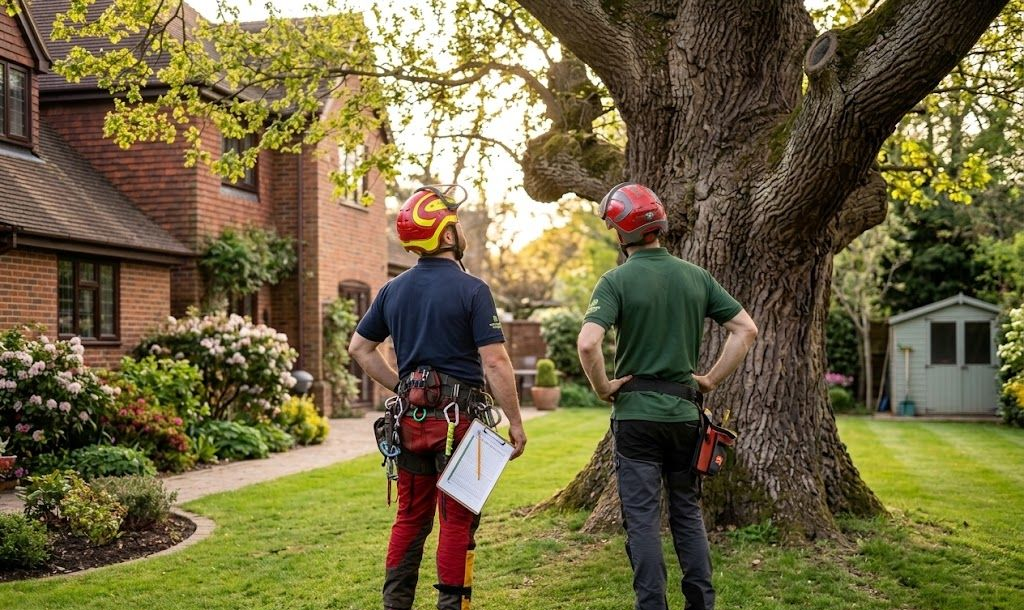
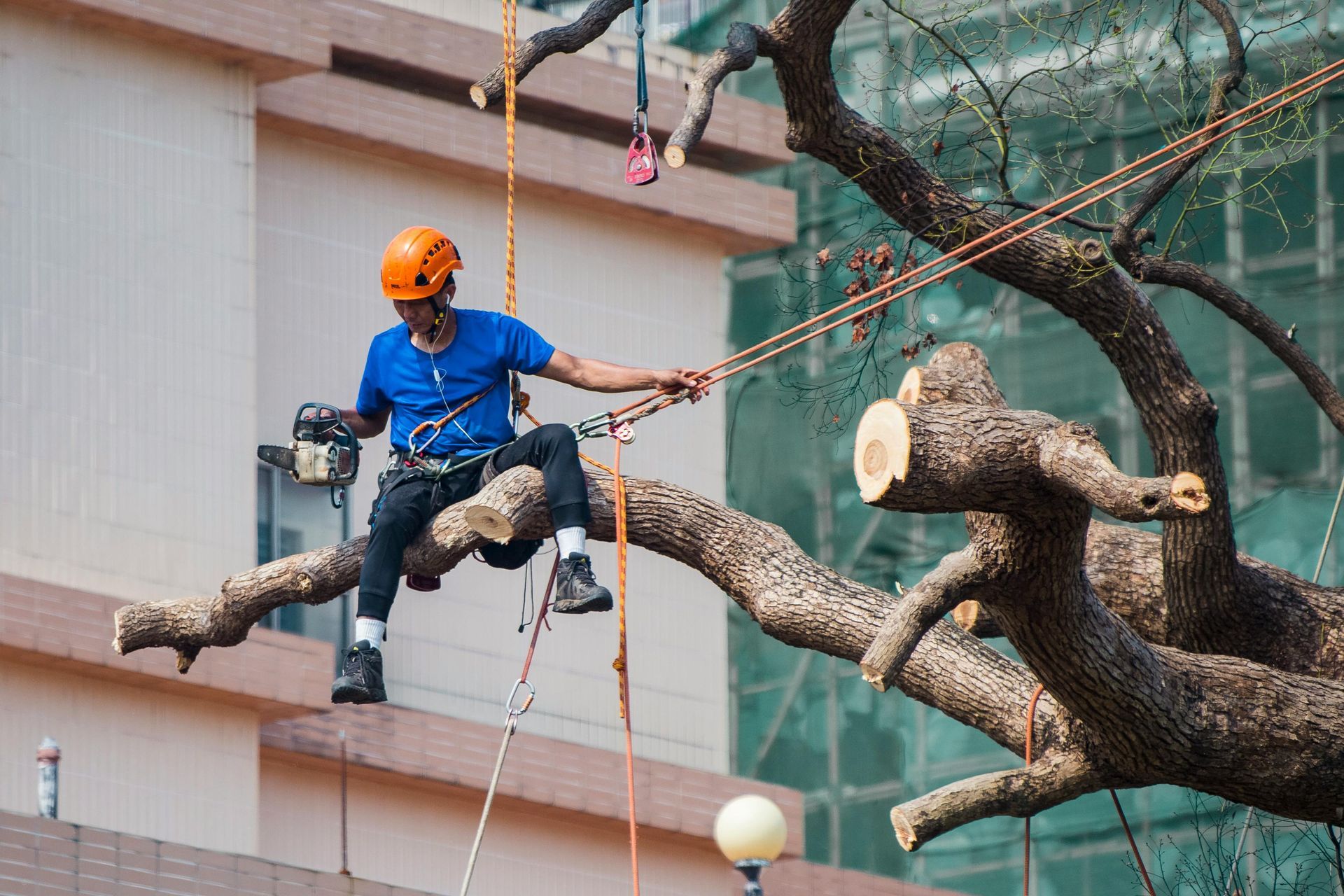
Tree Preservation and Arborist Insight
In many Fountain Valley properties, mature trees are one of the most valuable landscape assets. Professional landscape design should account for:
- Tree root zones
- Canopy clearance
- Long-term growth patterns
- Structural health and safety
When arborist expertise is involved, designs protect existing trees while planning future growth responsibly. This is especially important in neighborhoods with large shade trees or regulated species.
For industry standards, homeowners can review guidance from the [International Society of Arboriculture –https://www.isa-arbor.com].
Design-Build vs. Design-Only Services
Some companies offer design only, while others provide design-build services, meaning the same team handles both planning and construction.
Design-build offers advantages such as:
- Clear accountability
- Better cost control
- Fewer delays
- Design intent carried through installation
For homeowners, this often results in smoother execution and fewer surprises during construction.
Timeline Expectations for Landscape Design
While every project differs, homeowners can generally expect:
- Initial consultation and planning: 1–2 weeks
- Concept development and revisions: 2–4 weeks
- Final design approval: 1–2 weeks
- Construction scheduling: varies by scope and season
Professional designers communicate timelines clearly and adjust expectations based on material availability and site complexity.
Common Mistakes Professional Design Helps Avoid
Homeowners who skip professional design often encounter:
- Overcrowded plants
- Poor drainage
- Incompatible irrigation systems
- High water bills
- Excessive maintenance needs
- Short-lived landscapes
Professional design prevents these issues by addressing them before installation begins.
FAQs About Landscape Design in Fountain Valley
How much does professional landscape design cost?
Costs vary depending on property size, complexity, and scope. Design is typically a small percentage of the overall project investment but can save money long-term by avoiding costly mistakes.
Do I need a landscape design for small yards?
Yes. Smaller spaces often require more precise planning to maximize function and aesthetics.
Can existing plants be reused in a new design?
Often, yes—if they are healthy and appropriately placed. A professional assessment determines what can be preserved.
Is landscape design only for new homes?
No. Many Fountain Valley homeowners redesign landscapes to modernize outdated yards or improve water efficiency.
Choosing the Right Landscape Design Partner
The right landscape designer combines local knowledge, horticultural expertise, and clear communication. Look for professionals who:
- Understand Fountain Valley conditions
- Explain design decisions clearly
- Prioritize long-term plant health
- Integrate irrigation and sustainability
- Offer transparent planning processes
For homeowners ready to explore professional design services, reviewing [Landscape Design Services –https://www.legacylandscapecompany.com/] is a helpful starting point.
Choosing the Right Landscape Design Partner
Recent Posts