Design-Build Landscaping vs. Traditional Landscaping: What’s the Difference?
Design-Build or Traditional Landscaping? What Homeowners Should Know
When planning a landscape project, one of the most important decisions homeowners and property managers must make is how the project will be delivered. Many people assume all landscaping works the same way, but in reality there are two very different approaches: design-build landscaping and traditional landscaping.
Understanding the difference between these two models can significantly impact your budget, timeline, communication experience, and long-term results. In Fountain Valley and throughout Orange County, design-build landscaping has become increasingly popular for homeowners who want clarity, efficiency, and accountability throughout the entire process.
This article explains how design-build landscaping differs from the traditional model, the advantages and limitations of each, and how to decide which option is best for your property.
What Is Traditional Landscaping?
Traditional landscaping separates the
design phase from the construction phase. Under this model, homeowners typically work with:
- A landscape designer or architect to create plans
- A separate contractor to install the design
While this approach has been used for decades, it introduces multiple parties into a single project, each with different responsibilities and priorities.
How the Traditional Process Works
A typical traditional landscaping process includes:
- Hiring a designer to create plans
- Reviewing and approving the design
- Collecting bids from landscape contractors
- Selecting a contractor based on price
- Coordinating construction with limited designer involvement
Each step requires separate contracts, timelines, and communication channels.
What Is Design-Build Landscaping?
Design-build landscaping combines
design and construction under one company. The same team that designs your landscape is also responsible for building it.
This integrated approach creates a single point of responsibility from concept through completion.
How the Design-Build Process Works
In a design-build model:
- The design team evaluates the site and develops the concept
- Construction professionals provide real-time input on feasibility and cost
- Design adjustments are made before construction begins
- The same company installs the landscape according to the approved design
Because designers and builders collaborate from the start, the final product is typically more efficient, accurate, and aligned with the original vision.
Key Differences Between Design-Build and Traditional Landscaping
1. Communication and Accountability
Traditional Landscaping:
Communication flows through multiple parties. If issues arise, responsibility may be unclear. Designers and contractors may interpret plans differently, leading to disputes or redesigns.
Design-Build Landscaping:
One team manages everything. Design intent, materials, and construction details stay aligned because everyone works under the same leadership.
2. Cost Control and Budget Accuracy
Traditional Landscaping:
Designs are often created without contractor input. When bids come in, homeowners may discover the design exceeds their budget, requiring redesigns or material substitutions.
Design-Build Landscaping:
Costs are considered during the design phase. Designers understand construction realities and adjust plans to fit budget constraints before installation begins.
This results in more predictable pricing and fewer financial surprises.
3. Timeline and Project Efficiency
Traditional Landscaping:
Projects may stall between design completion and contractor selection. Scheduling conflicts between designers and installers can extend timelines.
Design-Build Landscaping:
Because design and construction are coordinated, projects move more efficiently from planning to execution. Delays caused by miscommunication are minimized.
4. Design Practicality
Traditional Landscaping:
Some designs look good on paper but are difficult or expensive to build. Contractors may need to improvise during installation, altering the original design.
Design-Build Landscaping:
Designers work alongside builders to ensure plans are realistic, durable, and constructible within the site’s constraints.
Why Design-Build Landscaping Works Well in Fountain Valley
Properties in Fountain Valley face specific challenges that benefit from an integrated approach, including:
- Coastal-influenced climate
- Water efficiency requirements
- Soil and drainage considerations
- Tree preservation concerns
- HOA and municipal guidelines
Design-build teams with local experience understand how to navigate these conditions efficiently without repeated revisions or permitting delays.
The Role of Horticulture and Arborist Knowledge
One of the most overlooked advantages of design-build landscaping is
early horticultural input.
When designers understand:
- Mature plant size
- Root behavior
- Sun and shade tolerance
- Water requirements
- Tree health and structural safety
They can prevent issues such as overcrowding, irrigation conflicts, and long-term maintenance problems.
Traditional models sometimes involve designers without deep plant or arborist knowledge, leading to landscapes that struggle after installation.
Design-Build vs Traditional for Tree-Centered Properties
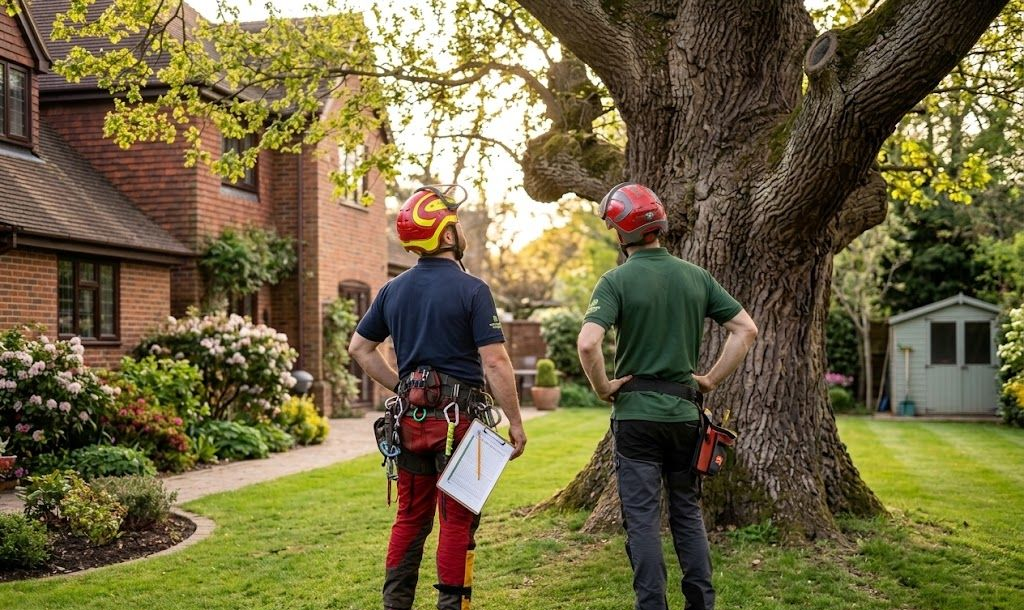
If your property includes mature trees or requires tree risk assessment, the design-build model offers major benefits:
- Root zones are protected during construction
- Hardscape placement avoids structural conflicts
- Tree pruning and grading are coordinated
- Long-term tree health is preserved
This coordination is especially important in neighborhoods where trees contribute significantly to property value and shade.
Flexibility During Construction
Traditional Landscaping Challenges
Changes during construction can be complicated. Any adjustment may require:
- Designer revisions
- Additional approvals
- Increased costs
- Schedule delays
Design-Build Advantages
Design-build teams can make informed adjustments quickly because:
- Designers and builders collaborate daily
- Costs and impacts are evaluated immediately
- Solutions maintain design intent
This flexibility reduces stress and keeps projects moving forward.
Quality Control and Craftsmanship
Design-build companies often have higher quality control because:
- The same team reviews the project from start to finish
- Installation crews understand the design intent
- Mistakes are addressed quickly without finger-pointing
In contrast, traditional models may result in installers focusing only on their scope, without full context of the design’s purpose.
When Traditional Landscaping May Make Sense
While design-build offers many advantages, traditional landscaping may be appropriate when:
- A highly specialized landscape architect is required
- The project is purely conceptual
- Installation will occur much later
- The property owner wants to manage contractors directly
For most residential and commercial projects in Fountain Valley, however, these situations are less common.
Choosing the Right Delivery Method for Your Project
When deciding between design-build and traditional landscaping, consider:
- Project complexity
- Budget sensitivity
- Timeline expectations
- Need for ongoing collaboration
- Importance of plant and tree health
For homeowners seeking a streamlined experience with fewer surprises, design-build landscaping often delivers better outcomes.
Frequently Asked Questions
Is design-build landscaping more expensive?
Not necessarily. While it may appear more comprehensive, it often reduces redesigns, delays, and costly changes.
Can I still customize my design with design-build?
Yes. Design-build is collaborative and flexible, allowing customization throughout the planning phase.
Does design-build reduce quality?
No. In many cases, quality improves because designers and builders share responsibility for the final result.
Is design-build only for large projects?
No. Design-build works well for projects of all sizes, including residential landscape upgrades.
Final Thoughts
Choosing
between design-build landscaping and traditional landscaping is about more than process—it’s about results, accountability, and long-term success. In regions like Fountain Valley, where environmental conditions and regulations require careful planning, an integrated approach often leads to healthier landscapes, smoother construction, and greater satisfaction.
To learn more about integrated landscape solutions, homeowners can explore [Design Build Services].
Recent Posts